The Evolution of Sports: An In-Depth Look at Modern Trends and Innovations
The Historical Landscape of Sports
Sports have been an integral part of human society for centuries, serving not just as a form of entertainment but also as a means to promote physical fitness and social cohesion. The evolution of sports over the years reflects broader societal changes, with innovations in technology, media, and cultural attitudes influencing how sports are played and consumed. Understanding the historical context of sports provides a foundation for appreciating its current state and anticipating future developments.
Modern Innovations in Sports
In the contemporary world, sports are undergoing significant transformations thanks to technological advancements. These innovations have affected various aspects of sports, from training and performance to how fans engage with their favorite sports. For instance, wearable technology and advanced analytics allow athletes and coaches to monitor and improve performance efficiently. High-resolution cameras and video analysis provide teams with insights previously unattainable, revolutionizing training methodologies.
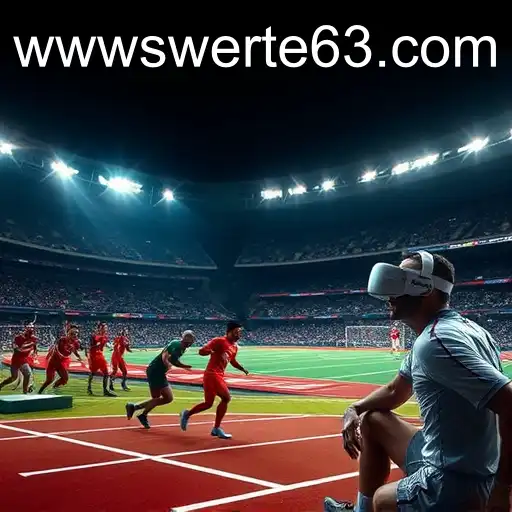
The Rise of Virtual Reality and E-Sports The intersection of sports and technology has also given birth to a new domain—e-sports. The popularity of competitive gaming has skyrocketed, with platforms like Swerte63.COM offering fans a way to engage with their favorite games and athletes in an interactive format. Esports events now fill arenas, attracting enthusiasts who watch competitors battle in video games just as they would traditional sports. Additionally, virtual reality offers immersive experiences, allowing fans to feel as though they are on the field or court alongside their favorite athletes.
The Economic Impact of Sports
Sports are a significant economic powerhouse, contributing to local economies through events, tourism, and employment opportunities. Major sporting events like the Olympics or the World Cup attract millions of spectators worldwide, providing substantial economic benefits to host cities through increased hospitality and tourism. Online platforms, including betting sites like Swerte63.COM, have also tapped into the sports economy, offering users opportunities to engage with sports in novel ways.
Sports Marketing and Branding Branding and marketing have become essential elements within the sports industry, with athletes and teams alike turning to social media to connect directly with fans. Platforms such as Instagram and Twitter allow athletes to build personal brands, creating opportunities for endorsements and sponsorships. This direct communication fosters a sense of community and loyalty among fans, further amplifying the economic impact of sports.
The Role of Sports in Society
Sports play an invaluable role in society, promoting values such as teamwork, discipline, and perseverance. They are a vehicle for social change, providing a platform for athletes to voice their opinions and influence critical issues. Recent years have seen sports figures taking stances on racial equality, gender equity, and political matters, showcasing the power of sports as a force for societal transformation.
The Future of Sports
Looking ahead, the future of sports is poised for further change as technology continues to evolve. Emerging technologies such as artificial intelligence and machine learning are set to have a significant impact, from predictive analytics to enhanced fan interactions. Moreover, as climate change concerns grow, sustainability and eco-friendliness will become increasingly crucial in sports production and event management.
Conclusion The world of sports is dynamic, continuously shaped by a myriad of factors ranging from technological advancements to societal shifts. Platforms like Swerte63.COM demonstrate how innovations within the sports sector are providing exciting new ways for fans to interact with their favorite games and athletes. As we move forward, embracing these changes will be crucial to ensuring the enduring popularity and impact of sports in our lives.